

La otra hermana Bennet - Reseña del blog de Jane Austen

The Other Bennet Sister es una adaptación de diez episodios de la novela homónima de Janice Hadlow, que se centra en la tercera de las hermanas Bennet, la estudiosa Mary, de Orgullo y prejuicio. Los dos primeros episodios narran los acontecimientos de la novela desde su perspectiva. Tras el final del libro, la serie da un salto hasta la muerte del señor Bennet, momento en el que todas las hermanas Bennet, excepto Mary, están casadas y ya no viven en Longbourn. Después de esto, Mary se traslada a Londres para vivir con los Gardiner, mientras que la señora Bennet se va a vivir con Jane y el señor Bingley. En Londres, Mary prueba cosas nuevas y descubre que se siente más segura de sí misma. Empieza a disfrutar de las fiestas y reuniones sociales, algo que antes le resultaba difícil.
Mary también se encuentra con dos pretendientes. El primero es Tom Hayward, un abogado amable y amante de la poesía que conoce a Mary a través de los Gardiner, con quienes mantiene una estrecha amistad. Mary y Tom pronto se enamoran, pero existen obstáculos importantes para su relación.
El segundo pretendiente de Mary es el poco convencional y bastante impulsivo William Ryder. William pronto desarrolla sentimientos hacia ella, que ella no corresponde, aunque se hacen buenos amigos. Sin embargo, los que les rodean piensan que sería un buen marido para Mary debido a su riqueza, su alto estatus social y su atractivo. Esto a pesar del amor de Mary por Tom y su falta de interés en William.
Mary también intenta decidir qué debe hacer con su vida y qué le aportaría felicidad. Otros tienen opiniones firmes al respecto, las cuales ella cuestiona o, en algunos casos, comparte. Mary aprende que la idea de felicidad de una persona puede no funcionarle a ella, por lo que tendrá que encontrar la suya propia.
Disfruté mucho de la historia de amor entre Mary y Tom Hayward. Especialmente me gustaron las conversaciones que mantienen, que a veces son muy divertidas y también informativas. Su relación es muy convincente debido a la gran química entre los dos actores y su capacidad para transmitir la fuerza y el desarrollo del amor entre Mary y Tom. Ella Bruccoleri, quien interpreta a Mary, lo hace especialmente bien cuando Mary está convencida de que ella y Tom no pueden estar juntos. Por tanto, Mary intenta ocultar sus sentimientos hacia él. A veces es incapaz de hacerlo debido a la intensidad de los mismos. Esta lucha es algo que Bruccoleri representa muy bien. Por el contrario, Tom, interpretado por el actor Dónal Finn, es generalmente muy abierto sobre su amor por Mary. Incluso cuando no está hablando, no puede evitar demostrarlo. Esto se hace particularmente bien en una escena en la que Tom y Mary bailan juntos. Tom no puede dejar de mirarla e incluso pierde el paso porque está completamente cautivado por ella. Apenas hablan, pero a través de la expresiva interpretación de Finn, se nota la fuerza del amor de Tom por Mary.
El otro pretendiente de Mary, William Ryder, equilibra el ser irritante y agradable a la vez, algo que su actor, Laurie Davidson, retrata con destreza. Su relación con Mary es agradable de ver, ya que ella aprende mucho sobre sí misma a través de ella, y su dinámica es muy entretenida. Para mí, sin embargo, quedó claro desde el principio que no terminarían juntos. Esto se debe a que Mary se enamora de Tom bastante pronto en la serie; aunque considera brevemente a William, no es por motivos románticos. Además, Mary finalmente decide que solo se casará por amor y, basándose en esto, William nunca sería adecuado para ella.
La Mary de The Other Bennet Sister es diferente a la Mary que conocemos en Orgullo y prejuicio. Por ejemplo, se muestra que Mary es amable con los demás. En Orgullo y prejuicio, Mary generalmente no es considerada ni empática. En The Other Bennet Sister, Mary ayuda a liberar el pie de su cuñada de una roca. Luego le ayuda a caminar una corta distancia hasta que Tom toma el relevo. Mary además muestra empatía por las mujeres jóvenes que enfrentan la presión familiar para encontrar un marido adecuado. También señala la falta de empatía de William Ryder hacia ellas. Antes de dejar Longbourn, Mary se muestra menos amable y empática. Cuando viaja a Londres y a otros lugares, experimenta un crecimiento personal significativo; su creciente amabilidad y sensibilidad podrían ser parte de ello.
Otros personajes también son similares pero diferentes a sus contrapartes de Orgullo y prejuicio. Por ejemplo, Lizzy, interpretada encantadoramente por la actriz Poppy Gilbert, tiene un papel más pequeño en esta serie, pero sigue siendo vivaz e ingeniosa. Una adición a esta serie es que desarrolla una relación cercana con Mary y le ofrece su apoyo y consejos. Las dos hermanas no son cercanas en Orgullo y prejuicio, pero la incorporación de este aspecto fue encantadora, y su relación es un placer de ver.
Otro personaje es Caroline Bingley, interpretada maravillosamente por Tanya Reynolds, que es bastante similar a su homóloga en Orgullo y prejuicio. Por ejemplo, quiere casarse con William Ryder por su riqueza y posición social, tal como lo hizo con Darcy. También ve a Mary como una rival romántica, como hizo con Lizzy. Sin embargo, disfruté del papel que desempeñó en la reunificación de Mary y Tom, lo que condujo a su matrimonio. Lo hace en parte por bondad, lo cual está fuera de lugar para la Caroline de Orgullo y prejuicio, pero hay un elemento de interés propio ya que se beneficia de ello, lo cual es muy propio de ella.
Me gusta especialmente cómo el vestuario utiliza detalles para revelar cómo actúan los personajes individuales en diferentes situaciones según sus personalidades. Esto está muy bien hecho en un baile en Londres al que asisten Mary, los Gardiner, Tom, William y Ann, una amiga de Mary. Mary lleva un vestido blanco, que es el mismo vestido que llevó al primer baile al que asistió. El baile de Londres es organizado por una mujer llamada Lady Winspear y es el primer baile al que Mary asiste en Londres. El blanco se asocia tradicionalmente con la inocencia y los comienzos. Se muestra que Mary, en ambos bailes, sabe poco sobre etiqueta social y tiene que aprender al respecto. Por lo tanto, su vestido blanco podría resaltar su inocencia y su novedad en ambas ocasiones. En el baile de Lady Winspear, otras mujeres también llevan vestidos blancos. El blanco era un color de moda para los vestidos de baile de principios del siglo XIX, que es aproximadamente cuando se desarrolla The Other Bennet Sister. Por lo tanto, la elección de los vestidos blancos es probablemente una referencia a la moda del siglo XIX.
El vestuario de Tom y William también hace referencia a sus personalidades. El chaleco de William es ligeramente más abierto que el de Tom. William es muy seguro de sí mismo en los bailes, mientras que Tom no lo es y le resulta difícil bailar. Tom también es más reservado e introvertido que William. Por lo tanto, la naturaleza cerrada del chaleco de Tom podría mostrar su naturaleza introvertida, así como su falta de confianza en los bailes. El chaleco de William es de color crema, mientras que el de Tom es de color marrón claro/oro apagado, con un tono más oscuro que el de William. Tom es generalmente más serio que William y tiene tendencia a reflexionar. Los colores más oscuros a menudo se asocian con la seriedad y, a veces, con la melancolía. Por lo tanto, el chaleco más oscuro de Tom podría representar su naturaleza bastante seria, mientras que el chaleco crema de William podría reflejar su temperamento alegre.
Elizabeth es licenciada en Historia del Arte por la Universidad de Sussex. Investigó y escribió un trabajo para su carrera que se centró en las exposiciones en la Casa de Jane Austen en Hampshire y los objetos de la colección del museo. Toca el clarinete y la flauta dulce y disfruta tocando música que aparece en adaptaciones cinematográficas y televisivas de las novelas de Austen. También le encanta ver adaptaciones de su obra, incluidas aquellas que se basan libremente en sus novelas. Sus adaptaciones favoritas son Bodas y prejuicios, dirigida por Gurinder Chadha, y la serie de televisión de la BBC de 1995 Orgullo y prejuicio.
Leer más
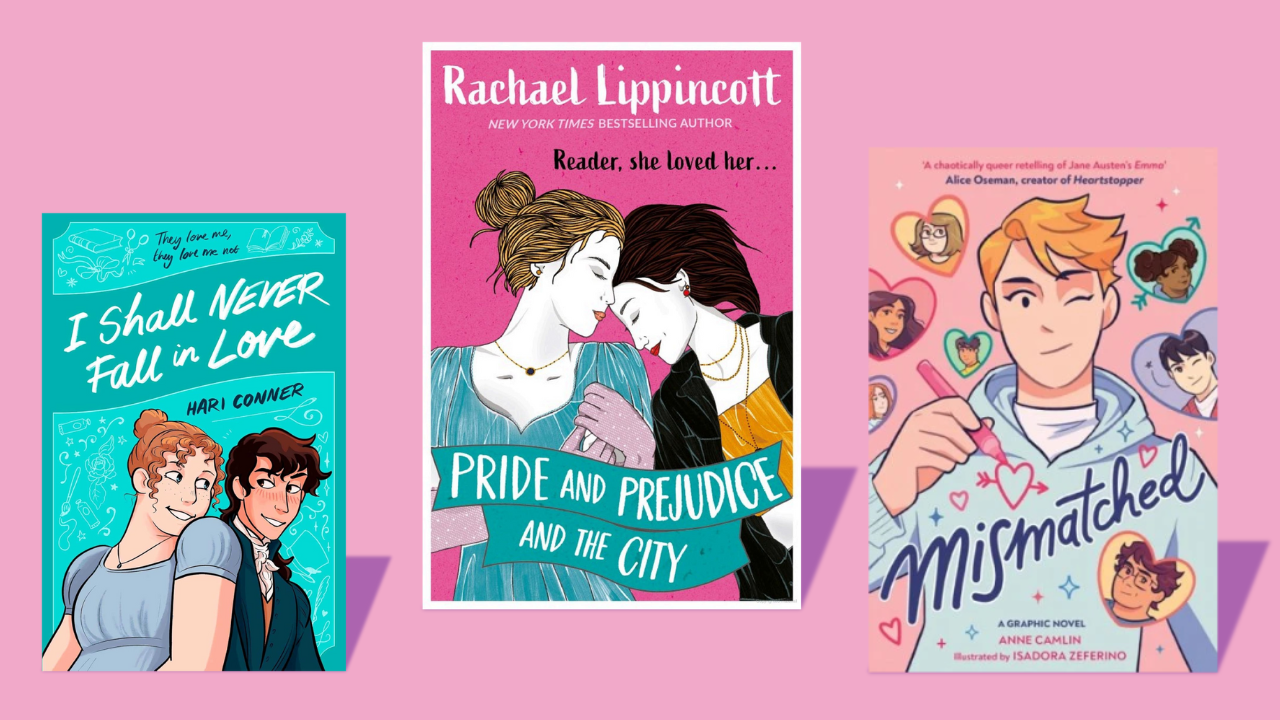
LGBTQ+ Reimaginings of Jane Austen's Stories
Para celebrar el Mes LGBTQ+ Historia, nuestro editor de blogs analiza tres nuevas reimaginaciones LGBTQ+ del trabajo de Jane Austen.
Leer más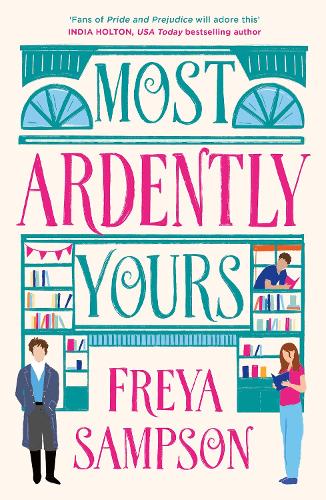
Freya Sampson habla sobre su nueva novela inspirada en Jane Austen
Freya Sampson nos cuenta todo sobre la inspiración para su nueva novela, Most Ardently You.
Leer más
3 comentarios
I loved the whole series. Loved Mary from the very beginning. Story was Beautifully written and executed. Scenes were tasteful no profanity and sex scenes. I look forward to more like this.
Ida Smitham
I found this review really interesting because it explores how The Other Bennet Sister reimagines a familiar character from Pride and Prejudice, giving Mary Bennet a richer voice and a more personal journey of growth and self-discovery. It reminded me that retellings and spin-offs can offer fresh perspectives on beloved stories, allowing readers to revisit familiar worlds while gaining new insights into characters who may have been overlooked in the original work.
https://www.maryvv.com/
Mary
I personally think people should avoid writing Austenian fanfiction, which essentially treats her original work and characters as no more legitimate than their own take in appropriating them.
Ellen Evans
Dejar un comentario
Este sitio está protegido por hCaptcha y se aplican la Política de privacidad de hCaptcha y los Términos del servicio.